
What to Check on Your Plumbing After a Storm Floods Your Home
When floodwater recedes, the instinct is to get back to normal fast: turn on the faucets, flush the toilets, run the water heater, wash everything in sight. Resist it. A flooded house isn’t just wet. Its plumbing may be damaged, its water may be contaminated, and its drains may be carrying sewage in the wrong direction. A few careful checks, in the right order, can keep a bad situation from getting worse. Here’s a practical sequence.
Step one: stop and make the house safe to enter
Before you check any pipes, make sure the building itself is safe. The CDC advises in its guidance on reentering your flooded home that if your home has damage, you shouldn’t reenter until a building inspector has examined it for safety, and that a flooded home may also be contaminated with sewage. Wear boots, gloves, and eye protection, and avoid standing water, especially near outlets, panels, or appliances.
If you smell gas, don’t investigate. Leave right away, move to a safe distance, and call 911 and your gas utility from outside. Don’t flip switches or use anything that could spark.
Step two: find the main shutoff and look at the big picture
If you haven’t already, shut off the main water supply to the house. That stops water from flowing into any broken lines while you assess the damage. If the main valve is under water or you can’t reach it safely, wait for help.
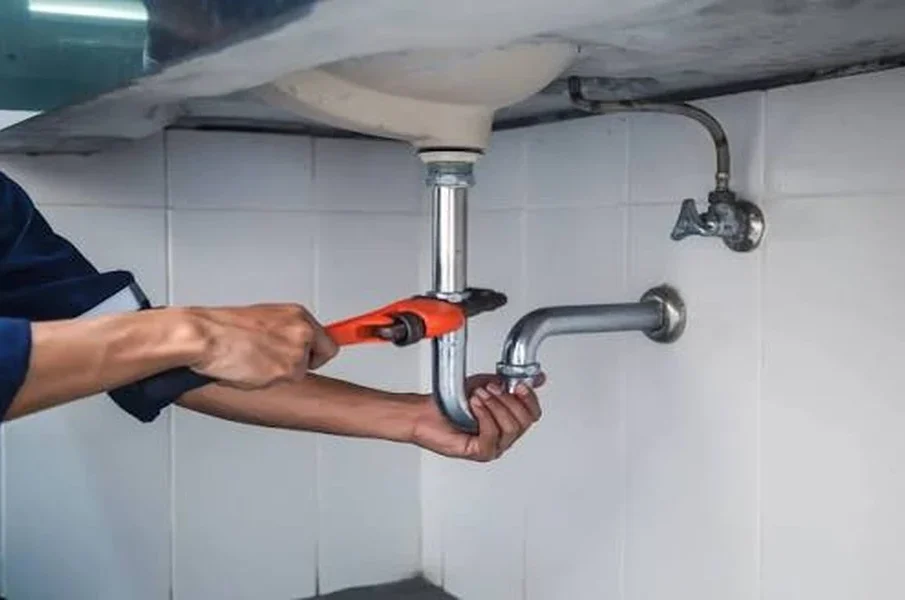
This is the point where many Southeast Texas homeowners call a Port Neches plumber, and it’s a sensible time to do it. Ask for an assessment that covers the supply lines, the water heater, the shutoff valves, and the sewer connection, and ask for the findings in writing, with photos. After a storm, plumbers are busy, so a clear description of what you’ve seen, such as no water pressure, a sewage smell, or a pipe that has shifted, helps them prioritize.
Once the main is off, do a simple check for hidden damage. Read the water meter, then wait an hour or two without using any water. If the meter is still moving, water is escaping somewhere. Storms and shifting ground can crack lines under the slab, in walls, or in the yard.
Step three: treat the water as unsafe until you know otherwise
Floodwater can contaminate drinking water. The CDC says tap water may not be safe to drink after a flood, and that you should follow local guidance on whether your water is safe. It also advises that if you have a private well in an area with flooding, you should get your water tested before using it. Don’t use water you suspect or have been told is contaminated to wash dishes, brush your teeth, prepare food, wash your hands, or make ice. Safe water for drinking, cooking, and personal hygiene includes bottled, boiled, or treated water.
Listen for boil water notices from your city or water district, and don’t assume the water is fine just because it looks clear. When service is restored, run the cold taps for a few minutes to flush the lines, and replace any filters on refrigerators or under-sink systems that may have been affected.
Step four: inspect the fixtures, heater, and drains
Now look at the equipment. The water heater is the big one. A heater that has been submerged, whether gas or electric, can have damaged controls, burners, or electrical parts, so don’t relight or power it up until a professional has inspected it. The same goes for any gas appliance that was under water.
Check the drains and toilets before using them. If the sewer line is backed up or the municipal system is overwhelmed, flushing can send wastewater into the house. Wait until you know the sewer is working. If sewage has come into the home, treat it as a health hazard, wear protective gear, and consider professional cleanup for porous materials such as carpet, drywall, and insulation.
Look under sinks and around toilets for loose connections, and check exterior items such as hose bibs, irrigation lines, and the area around the meter for damage.
Handle the paperwork while it’s fresh
Photograph everything before you clean or throw anything out, and keep receipts for emergency repairs, temporary housing, and supplies. Call your insurance company early to ask what’s covered. Flood damage and wind damage are often treated differently, so don’t assume. Keep the plumber’s inspection report and invoices together with your claim file.
Before the next storm
Hurricane season officially runs through November 30, so there’s still time to prepare. Make sure everyone in the house knows where the main water shutoff is and how to use it, and test it once a year so it doesn’t seize. Ask a plumber whether a backwater valve makes sense for your sewer line, since it can help keep sewage from flowing back into the house during high water. If your water heater sits low, ask about raising it above the expected flood level. Keep a supply of bottled water on hand.
None of this makes a storm pleasant. What it does is turn the aftermath into a sequence of manageable decisions instead of a scramble. Make the house safe, find the main, treat the water as suspect, inspect the equipment, and document everything. Take it in that order and the recovery tends to go faster, and a lot of avoidable damage never happens.