How Florida Heat Quietly Wears Out Your AC (and When to Plan a Replacement)
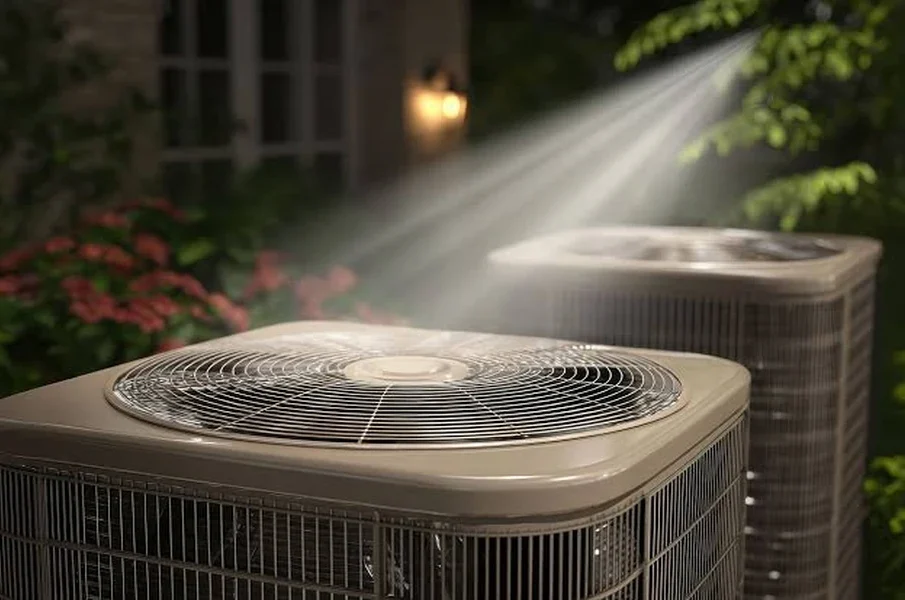
Your AC runs about twice as hard here as it would in Ohio, and that’s the whole problem. Most systems sold as “15 year” units in Manatee County are done by year 10 or 11, not because they were bad machines, but because nobody counted the hours. If your system is past year eight and you’re crossing your fingers every June, you’re not maintaining an AC anymore. You’re gambling with one.
The fix isn’t a surprise. It’s a plan. Once you know what actually shortens a Florida system’s life and which warning signs mean “start budgeting now,” you can time an air conditioner replacement Manatee County homeowners can schedule on their own terms, in the shoulder season, instead of in an emergency on the hottest weekend of the year.
Why an AC in Bradenton Lives a Harder Life Than the Label Says
Air conditioners are rated in cooling hours, and coastal Florida piles them on. A system that runs eight months a year at high load racks up the equivalent of a decade of Ohio summers in about half that time. Add salt air, which chews up outdoor coils and contacts, and afternoon humidity that keeps the unit cycling long after the sun drops, and you get equipment that’s simply tired sooner.
Efficiency loss is the sneaky part. A system doesn’t fail in a straight line. It loses a little capacity each year, so it runs longer to hit the same temperature, which wears it faster, which costs more. You feel it as a house that “just doesn’t get as cold as it used to.” That’s not your imagination and it’s not the thermostat. That’s the machine telling you its remaining life in the only language it has.
Four Signs You’re Closer to Replacement Than Repair
Here’s the short version I’d hand a friend: if two or more of these show up in the same season, stop paying for repairs and start pricing replacements.
- Repairs outrun the equipment. When you’ve dropped more than a third of a new system’s cost into a unit past year eight, you’re financing someone else’s problem.
- R-22 refrigerant. Older systems using R-22 face phase-out under EPA rules, and topping off an old charge gets more painful every year.
- Rooms that never balance. A bedroom that’s cold while the kitchen sweats points to a system sized for a different house than the one you live in now.
- The 10-year rule. Past a decade in this climate, every summer is borrowed time.
One flag alone is a conversation. Two together is a decision you’re avoiding.
What Actually Goes Wrong First (And It’s Rarely the Compressor)
Homeowners assume the big expensive part is what dies. In practice, coastal systems lose capacitors, contactors, and fan motors first, then develop coil leaks from corrosion. None of those are catastrophic on their own. Stacked together over a few summers, they turn a working unit into a money pit that still blows lukewarm air.
I’d rather see a homeowner replace a corroded 11-year-old system on a calm Tuesday in March than rebuild the same unit twice in one August. The second option always costs more once you count the emergency premiums and the miserable nights.
The Sizing Mistake That Shortens the Next System’s Life
A new unit slapped in at the same tonnage as the old one is a guess, not an installation. Ductwork changes. Windows get replaced. Additions get built. A proper replacement starts with a load calculation, not a label. Get the size wrong and you get short cycling, poor dehumidification, and a system that dies young all over again, which is a genuinely expensive way to learn the lesson twice.
According to the Department of Energy, correct sizing and proper installation are among the biggest factors in how efficiently a system performs over its life. That’s the part you can’t see from the driveway, and it’s the part that matters most.
Planning the Replacement Without Panic
This is the part most people skip until the system quits. Do it now, while everything still works.
- Write down the age and model number. The data plate on the outdoor unit tells you everything. Photograph it.
- Track your summer power bills. A slow climb with no other explanation is your efficiency loss showing up in dollars.
- Book a real assessment in the shoulder season. March and October are calm. July is not. The Air Conditioning Contractors of America sets the residential load calculation standards contractors work from, so ask whether your contractor runs one.
- Ask about financing before you need it. Knowing your monthly number in advance turns a crisis into a line item.
- Confirm the warranty in writing. Parts and labor coverage should be spelled out, not implied.
My honest advice on timing: if your system is nine years old and you plan to stay in the house five more years, replace it on your schedule. Waiting for a failure means paying emergency rates for the same equipment with worse choices and no time to compare.
What You Should Expect From the Crew Doing the Work
Ask four questions before anyone touches your equipment. Does the quote include a load calculation? Will they check and seal the ductwork? Is the indoor air handler part of the package or an add-on? And who handles the permit? The answers tell you more about the company than any review ever will.
A good replacement takes a full day and leaves you with a clean work area, a matched indoor and outdoor unit, and a thermostat you actually understand. If a crew is gone in three hours and nobody walked you through the new system, you got a swap, not an installation.
The Bottom Line on Florida AC Timing
Your system isn’t going to announce its retirement date. It’ll just get slower, thirstier, and more expensive to keep alive, and then one afternoon in July it’ll quit when you have the least patience for it. The homeowners who come out of that fine are the ones who read the signs early and scheduled the work on a quiet weekday in spring.
So check the data plate this week. If the number is older than you’d like, get the assessment done before the heat does it for you. What’s stopping you from making that call today?