Top Reasons Construction Companies Use Asset Protection Wraps
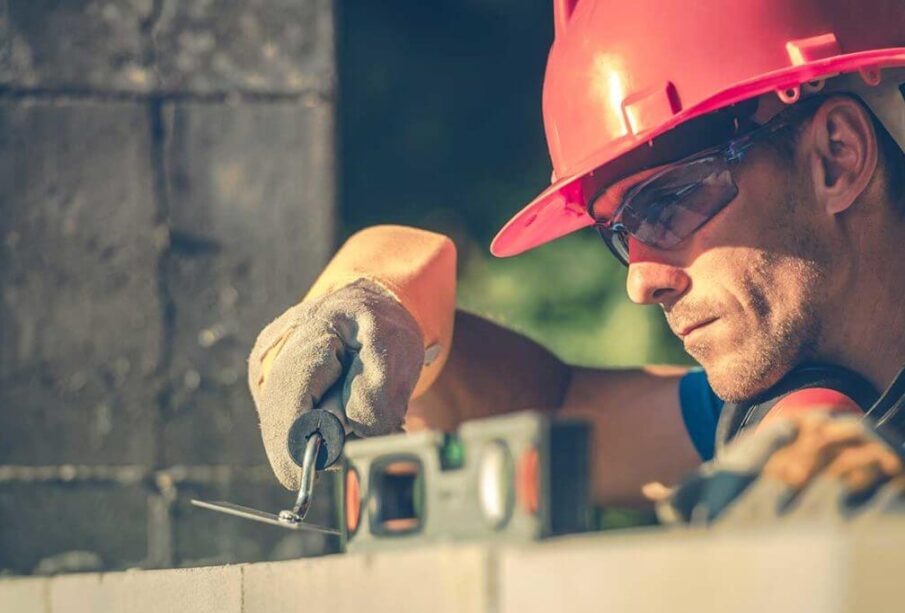
Construction companies face constant exposure to harsh conditions, heavy equipment, and job site damage that can compromise the value of their assets. A single scratch, chemical spill, or weather event can lead to expensive repairs or replacements that slow down a project.
Proper protection of equipment, structures, and surfaces has become a standard practice across the construction sector. This article covers the top reasons construction companies rely on asset protection wraps to keep their operations running at full capacity.
Surface Defense During Active Construction
Construction teams use industrial asset protection wrap to shield floors, windows, fixtures, and panels from dust and impact. The wrap forms a strong barrier that blocks scratches, stains, and surface marks. Crews apply it quickly and secure it tightly so it stays in place during busy project phases. The material also resists tears under foot traffic and tool movement. This simple layer helps teams protect finished spaces while other tasks continue nearby.
Cost Control and Budget Stability
Project managers focus on budget control from start to finish. Surface damage can increase labor hours and material expenses. Protection wraps reduce the need for repairs and replacements, which helps keep budgets steady. Contractors also avoid extra cleanup time before final inspections. Clear planning around surface protection supports smoother project flow and stable financial results.
Job Site Organization and Clean Work Areas
Clean work zones support productivity and quality results. Asset wraps help maintain order and reduce dust spread across finished areas. Teams place covers over key surfaces before major tasks begin. The following points highlight how wraps support clean job sites:
- Crews protect floors and counters from debris that falls during overhead tasks.
- Teams reduce dust transfer between active and completed zones.
- Supervisors maintain neat walk paths for tools and materials.
- Workers prevent stains from paint, sealants, or adhesives.
Faster Project Turnover and Final Prep
Timely project completion depends on clear workflow and reduced rework. Protection wraps limit surface touchups at the end of a build. Crews remove wraps once major tasks finish and reveal clean, ready surfaces. This process supports quick final prep before client walkthroughs.
The benefits below explain how wraps help speed turnover:
- Teams cut down on last-minute surface repairs.
- Supervisors reduce final cleaning hours.
- Inspectors review protected surfaces with fewer concerns.
- Clients see polished spaces that reflect careful oversight.
Professional Standards and Quality Control
Construction firms build reputation through consistent quality. Industrial asset protection wrap supports that standard by protecting new materials throughout each project phase. Crews show respect for client property when they shield surfaces early in the build. Project leaders also demonstrate organized planning through clear protection measures. Strong surface care sends a clear message about attention to detail and work discipline.
Adaptable Coverage for Multiple Surfaces
Modern wraps fit many surface types across residential, commercial, and industrial projects. Teams apply wraps to glass, metal panels, tile, wood, and finished concrete. The material conforms to flat and curved areas without complex tools. Quick installation saves time while still delivering dependable protection. Flexible coverage allows contractors to protect high-value finishes with confidence.
Construction teams benefit most when surface protection becomes part of the early project plan. Early wrap installation protects materials, supports budget control, and keeps final presentation strong. Project leaders should include surface wrap strategy in every build checklist to protect finishes and maintain workflow. Consistent protection practices help construction firms deliver clean, high-quality results that strengthen long-term client trust.