
Why Are Clogged Drains a Frequent Issue in Columbus?
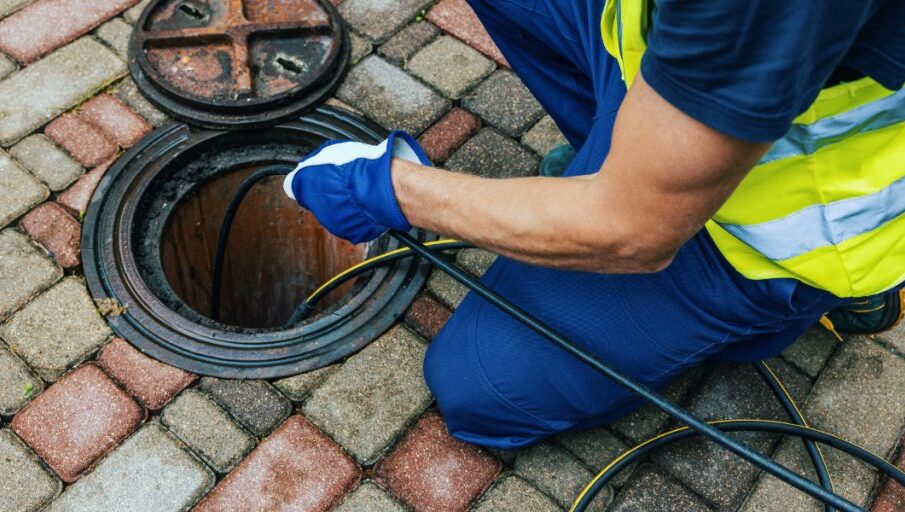
A clogged drain can derail a normal day when water backs up during routine use. In Columbus, repeated clogs usually trace back to buildup that forms inside pipes over weeks and months. Once the line narrows, even small amounts of debris can trigger slow drainage and backups.
Lasting relief usually requires more than a bottle product and a quick flush with hot water. The best option is to schedule drain cleaning in Columbus when backups repeat or odors return after short-term fixes. Professional service helps clear the buildup fully and reduces the chance of immediate recurrence. Now, here are a couple of reasons why clogged drains are a common problem in Columbus.
Grease Food Waste and Kitchen Habits
Kitchen drains collect grease, oils, and food particles that cling to pipe walls after every meal. Over time, this residue thickens and traps more debris, which narrows the pathway for water. Even careful households can face clogs when disposal use increases.
Soap residue can also combine with grease to form stubborn buildup inside the line. Starchy foods and coffee grounds add bulk that does not break down easily in pipes. A steady routine of mindful disposal reduces risk and improves flow.
Hair Soap Scum and Bathroom Use
Bathroom drains face constant exposure to hair, soap scum, and product residue from daily showers. Hair forms a net inside the pipe that catches more debris and slows water movement. The result can be pooling water and recurring clogs that worsen gradually.
Thick conditioners and body washes leave residue that hardens along pipe walls. Harder water can increase mineral deposits that mix with soap and create buildup. Simple strainers help, yet deeper buildup may still require a thorough clearing.
Tree Roots and Outdoor Drain Intrusion
Roots search for moisture, and sewer lines can attract them through small joints or tiny cracks. Once inside, roots collect debris and create dense blockage that slows drainage throughout the house. Symptoms may include gurgling toilets and multiple slow fixtures at once.
Heavy rain can push soil and debris toward compromised lines, which increases the chance of backups. Outdoor intrusion can also lead to repeated clogs that return soon after basic clearing. Root-related issues usually require specialized tools and careful removal.
Flushing Non-Flushable Items
Many clogs in Columbus start with items that seem harmless but do not break down in water. Wipes, paper towels, hygiene products, and cotton items can lodge in bends and build a blockage. Even products labeled flushable can cause problems in real plumbing conditions.
These items combine with grease and soap residue to form dense clumps that resist movement. Blockages can form far from the toilet, which makes diagnosis harder without professional equipment. Proper disposal habits protect both drains and sewer lines.
Buildup That Needs Professional Cleaning
A recurring clog in a house in Columbus usually points to buildup that lines the pipe walls beyond the reach of simple tools. Chemical cleaners can damage pipes and still leave residue that traps debris soon afterward. A thorough approach clears the full diameter of the line and restores smoother flow.
Professional drain cleaning in Columbus can remove grease, hair, soap residue, and root fragments without harming plumbing components. Service may include safe mechanical clearing and camera checks when problems repeat. Full removal of buildup helps drains stay clear longer and reduces surprise backups.
Clogged drains in Columbus happen due to daily residue, older plumbing, and outdoor intrusion that builds up over time. Small habits can help, yet recurring issues usually signal deeper blockage inside the line. With better prevention and timely maintenance, households can reduce backups and protect plumbing performance.