
Exploring the Environmental Impact of Mattress Recycling in Ontario
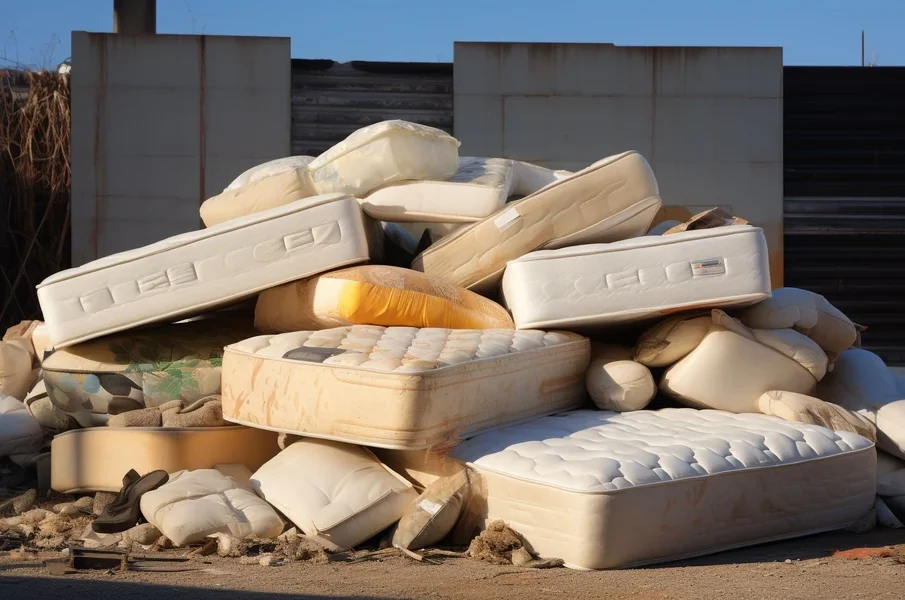
Sleeping better often means replacing an old mattress, but what happens to the millions tossed each year in Ontario? Too often, they end up taking up valuable landfill space for decades, leaching chemicals and adding to environmental strain. Mattress recycling is quietly transforming this waste problem, offering real hope for a cleaner, more sustainable future in the province.
What Is Mattress Recycling and Why Does It Matter in Ontario?
Mattress recycling involves dismantling used mattresses to recover materials like steel, foam, fabric, and wood, rather than dumping the whole unit into a landfill. In Ontario, where waste diversion is a growing concern, finding ways to manage bulky items is urgent. Mattresses contain about 90 percent recyclable material, yet only a fraction are processed responsibly. This gap means that exploring recycling isn’t just about green ideals, but pragmatic solutions for waste management.
How Mattress Waste Impacts the Environment
Landfilled mattresses are a nightmare. Their bulk strains landfill capacity, and as components break down, they can leach flame retardants and other toxins into the soil and groundwater. Steel springs can pierce landfill liners, increasing risk of contamination. Rotting foam and fibers contribute to methane emissions, which worsen climate change. Each mattress diverted from landfill eases these burdens.
Overview of Mattress Recycling Processes
Recycling a mattress is part engineering, part deconstruction. Facilities cut open mattresses, separate the layers, and mechanically or manually extract steel, foam, fiber, and wood. Each material is sent to specialized recyclers or manufacturers for repurposing, reducing the need for virgin materials.
How Does Mattress Recycling Work in Ontario?
Ontario’s system blends municipal initiatives with dedicated recycling centers and industry partners. Residents may drop off mattresses at select municipal depots, schedule pick-up through collection programs, or use private services connected to recycling facilities.
Collection Methods and Drop-off Locations
Some cities integrate mattress recycling into bulky-item collection days. Others partner with organizations operating drop-off depots. Key collection points exist in Toronto, including locations managed by specialized recyclers.
Sorting and Material Recovery Techniques
Once at a facility, mattresses are inspected for contamination (like bed bugs) and sorted by type. Staff then disassemble the units, separating components. Steel is captured with magnets, foam is baled, and wood is cleaned for resale or processing.
Key Players and Organizations in Ontario’s Mattress Recycling
The province relies on an ecosystem of contractors, municipalities, and not-for-profits. For example, Recyc-Matelas Ontario is a recognized leader, operating a major facility in Woodbridge. By specializing in advanced recovery, organizations like this set benchmarks for efficiency and sustainability.
What Materials Are Recovered from Recycled Mattresses?
A single mattress can yield surprising quantities of reusable material, giving it a second life in new products.
Metals, Wood, and Foam: Their Reuse and Repurposing
– Steel springs: Melted and processed into construction rebar or automotive parts.
– Foam: Cleaned, shredded, and reincorporated into carpet underlay or insulation.
– Wood: Resold for crafting or turned into landscaping mulch.
– Fibers: Used in industrial filters or padding.
Environmental Benefits of Material Recovery
Reusing these materials slashes the need for resource extraction. For example, recycling steel dramatically reduces energy consumption compared to mining new ore. Foam recovery preserves petroleum resources and cuts carbon emissions.
How Does Mattress Recycling Reduce Landfill Waste?
With more than half a million mattresses discarded yearly in Ontario, the scale of the challenge is immense.
Current Statistics on Mattress Disposal in Ontario
Estimates show less than 20 percent of Ontario’s discarded mattresses are recycled, meaning hundreds of thousands still go to landfill each year. Each mattress occupies about 23 cubic feet, rapidly filling landfill space.
The Role of Mattress Recycling in Waste Diversion
By reclaiming materials, mattress recycling diverts thousands of tons of waste annually. This not only preserves landfill capacity but sets an example for other hard-to-recycle products.
What Are the Environmental Benefits of Mattress Recycling?
Environmental wins go beyond landfill diversion.
Reduction of Greenhouse Gas Emissions
Recycling materials uses less energy than producing them from scratch, directly reducing CO2 output and helping Ontario move toward climate goals.
Conservation of Natural Resources
Salvaged steel, wood, and foam reduce demand for raw extraction, saving forests, mineral deposits, and fossil fuels.
Prevention of Toxic Pollutants
Removing chemicals and flame retardants from the waste stream prevents soil and water contamination around landfill sites.
What Challenges Does Mattress Recycling Face in Ontario?
Even as progress accelerates, several barriers remain.
Logistic and Collection Barriers
Bulky mattresses are expensive to transport and process, especially from remote or rural areas.
Economic and Market Limitations
The cost of recycling often exceeds landfill tipping fees. Limited end-markets for recycled foam or fiber can dampen incentives.
Public Awareness and Participation Issues
Many Ontarians are unaware that mattresses are recyclable or where to bring them, stalling progress.
How Can Consumers and Businesses Support Mattress Recycling?
Everyone has a role to play in closing the mattress recycling loop.
Steps to Properly Recycle Mattresses in Ontario
– Check with local waste management for drop-off locations or collection programs.
– Use certified recycling companies for large-scale disposals.
– Avoid illegal dumping, which only makes recycling harder.
Incentives and Programs Available
Some municipalities offer free or discounted pick-up days, and manufacturers may run take-back programs for old mattresses during new purchases.
How to Choose Eco-Friendly Mattresses
Selecting mattresses made with recyclable or natural materials at purchase makes eventual recycling easier and more effective.
What Does the Future Hold for Mattress Recycling in Ontario?
Promise lies in innovation and policy.
Innovations in Recycling Technology
Automation and improved material separation technology are boosting efficiency, making it feasible to recycle more mattresses, faster.
Policy Developments and Regulatory Trends
Ontario is considering extended producer responsibility (EPR) regulations, which would require manufacturers to manage end-of-life recycling.
Potential for a Circular Economy in Mattress Production and Disposal
With better design for disassembly and more robust recycling networks, Ontario could shift toward a circular economy where mattress waste is virtually eliminated, turning yesterday’s beds into tomorrow’s building blocks.


