Building Responsibility Through Outdoor Work and Daily Chores
As children grow, they begin to understand the world around them and their role in it. One of the best ways to teach responsibility is by involving them in daily chores and simple outdoor tasks. These activities not only help keep the home and surroundings clean but also teach children important life skills. When children are given small responsibilities, they learn to be independent, confident, and dependable.
Daily chores at home help children feel like they are an important part of the family. Simple tasks such as putting away toys, setting the table, or helping organise their belongings can make a big difference. These small actions teach children that their effort matters. When they complete a task, they feel proud and happy, which builds their self-esteem. By building responsibility through outdoor work, they also learn discipline and the importance of completing what they start over time.
Outdoor work is equally valuable in building responsibility. Activities like watering plants, sweeping the yard, or helping in a small garden allow children to connect with nature. These tasks also teach patience and care. For example, when a child waters a plant regularly, they begin to understand how consistent effort leads to growth. This creates a sense of accountability and teaches them to take care of their environment.
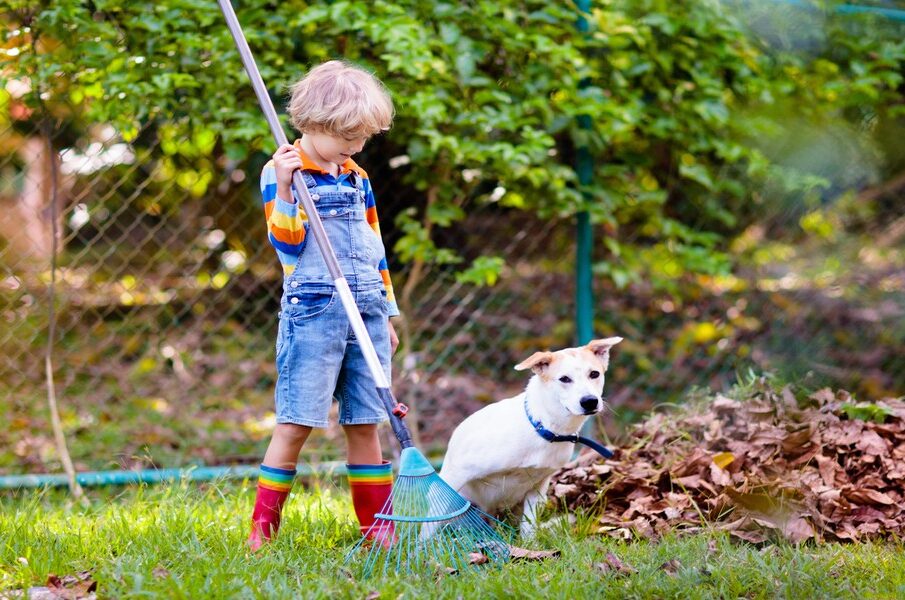
It is important to give children tasks that match their age and ability. Younger children can handle simple chores like picking up toys, watering indoor plants, or wiping small spills. As they grow older, they can take on more responsibility, such as cleaning their room, helping with laundry, or assisting in basic cooking. Older children can also help with outdoor work like raking leaves, organising tools, or caring for pets. Giving age-appropriate tasks helps children learn without feeling overwhelmed.
Parents should introduce chores in a calm and positive way. Chores should be seen as a normal part of daily life, not as a punishment. When children are given choices, such as choosing between two tasks, they feel more involved and willing to help. Encouragement and appreciation are also important. Praising effort instead of perfection helps children stay motivated and builds a positive attitude toward responsibility.
Both daily chores and outdoor work help children develop important skills that they will use throughout their lives. They learn how to manage their time, stay organised, and take responsibility for their actions. These skills are useful in school, relationships, and future careers. Children who learn these habits early often grow into responsible and independent adults.
At the same time, it is vital to maintain a healthy balance. Children need time to play, relax, and enjoy their childhood. Chores should be simple, short, and suitable for their age. When responsibility is combined with support and encouragement, children are more likely to develop strong values and positive habits that last a lifetime.