
Balancing Safety and Creativity in Public Play Structures
A child’s laughter echoes across parks, playgrounds, and schoolyards, each giggle a testament to the enduring importance of play. But behind every joyful leap and climb lies an ongoing debate: how do we balance the thrill of creative play with the responsibility of keeping children safe?
Early Concepts: The Origins of Public Play Structures
In the early days of public play spaces, city planners and communities prioritized one thing above all: giving children room to run, climb, and imagine. Cobbled-together wooden beams, tires, and metal slides dotted neighborhoods, anchoring social interactions and letting imaginations soar.
The Birth of Community Playgrounds
The push for communal playgrounds emerged in the late nineteenth century, when urbanization left children with little access to nature or safe spaces. Early playgrounds were often simple, think sandpits or makeshift swings, inviting free, unsupervised play.
Initial Safety Concerns and Minimal Regulations
With minimal oversight or formal guidelines, early play structures were born of creativity but were not without risk. Injuries were common, yet at the time, physical risk was often accepted as part of childhood.
Early Designs Focused on Creativity and Social Play
The first playground designers encouraged open-ended, creative play. Structures were intended to foster socialization, problem-solving, and imagination, not just physical exercise.
Rising Awareness: Safety Standards Begin to Take Shape
As playgrounds became more popular, so did reports of injuries. Shifts in public sentiment soon followed.
Landmark Incidents Prompting Safety Reforms
Tragic accidents in the mid-twentieth century, often widely reported, forced communities and governments to reconsider what was acceptable risk. These events triggered an era of reform, as parents demanded safer spaces for their children.
Development of Early Safety Guidelines and Materials
Regulatory bodies began establishing guidelines for surfacing, equipment spacing, and materials. Sand and mulch replaced concrete, and sharp corners were gradually eliminated. This marked a shift toward safety-first thinking.
Balancing Risk and Adventure in Design Philosophy
Even as guidelines became stricter, experts debated: could play be too safe? Some argued that risk fosters resilience and learning, and that over-sanitization might rob children of valuable growth experiences.
Modern Safety Regulations and Accessibility
Today’s playgrounds exist at the intersection of strict safety codes and a growing insistence on accessibility for all children.
National and International Safety Standards
Countries worldwide now have detailed standards governing playground design, with specifications for height, surfacing, guardrails, and fall zones. Frequent inspections and certifications are now routine.
The Impact of Accessibility Laws on Playground Design
Laws like the Americans with Disabilities Act (ADA) and Ontario’s AODA have transformed the way playgrounds are built, mandating ramps, sensory elements, and clear signage. These requirements ensure that children with mobility, sensory, or cognitive challenges can play alongside their peers.
Inclusive Play: Designing for Children with Disabilities
The evolution toward inclusivity has led to the emergence of sensory gardens, communication boards, and innovative transfer stations. Play spaces now offer meaningful experiences for a broader range of abilities, emphasizing the social, emotional, and physical development of every child.
Innovations in Play Structure Design
Imagination remains the fuel for play, even as safety standards continue to evolve.
Nature-Inspired and Themed Playgrounds
Designers now draw inspiration from nature and storytelling, integrating features like treehouse towers, boulders, and water elements. These creative designs make playgrounds not only safer but also more visually engaging.
Use of New Materials and Technologies for Safety
Modern Inspire Play play structures exemplify the trend toward combining robust safety with imaginative design. Recycled plastics, impact-absorbing rubber, and smart sensors are now common, helping monitor equipment health and detect hazards.
Integrating Creative Elements Without Compromising Safety
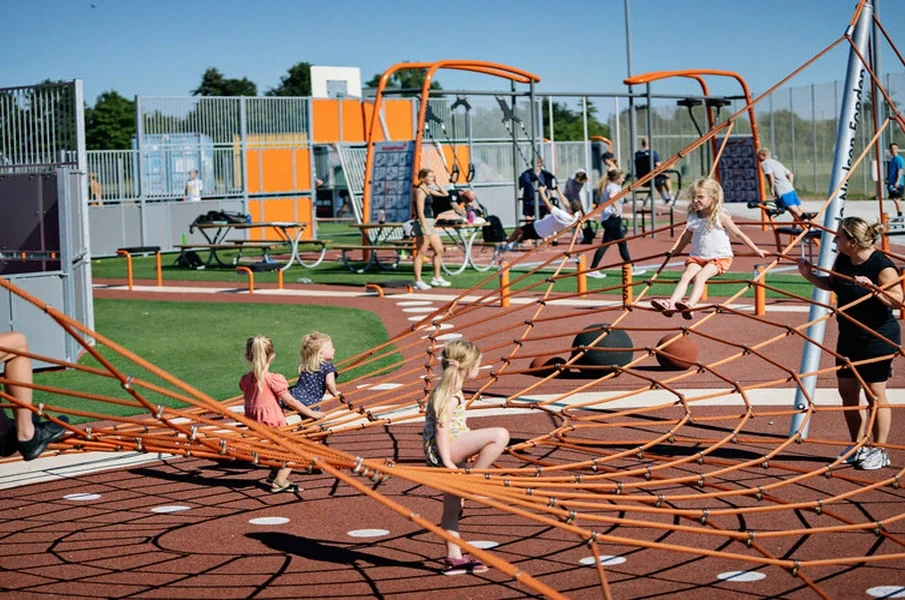
Designers cleverly incorporate challenge and adventure, rope bridges, climbing nets, spinning platforms, while adhering to rigorous safety codes. The result? Playgrounds that are both exciting and secure.
The Role of Community and Stakeholder Input
No playground design is complete without considering the voices of the community it serves.
Engaging Parents, Educators, and Children in Design
Consulting stakeholders ensures the final play environment meets real-world needs. Children often influence the inclusion of features they find most exciting, while parents and educators prioritize safety and accessibility.
Balancing Diverse Needs and Expectations
The most successful projects find a sweet spot between thrilling play and peace of mind for guardians. Collaboration fosters buy-in and often uncovers creative solutions to potential design challenges.
Case Studies of Successful Collaborative Projects
Several cities have set benchmarks by forming advisory panels and hosting inclusive design workshops. These efforts yield play environments celebrated for both their inventiveness and their adherence to the highest safety standards.
Future Trends: Evolving the Balance Between Safety and Creativity
As technology and public expectations shift, so too will the playgrounds of tomorrow.
Emerging Technologies and Smart Playgrounds
Wearable tech, interactive panels, and real-time safety monitoring are on the rise, promising new ways to keep children entertained and protected.
Adaptive Play Structures for Lifelong Use
Designers increasingly consider users across generations, creating adaptive structures that appeal to toddlers, teens, and even seniors.
Predicting the Next Generation of Play Environments
Expect the future to bring immersive themed environments, eco-friendly materials, and data-driven safety enhancements that support daring play within a secure framework.
Challenges and Controversies
For every step forward, a new debate emerges.
Over-Sanitization vs. Necessary Safety Measures
Critics warn that excessive safety measures may limit valuable exploration and self-discovery.
Legal and Liability Issues in Public Play Spaces
Municipalities weigh the risks of litigation against the joys of more adventurous play, often leading to complex legal and insurance landscapes.
Finding a Middle Ground: Risk vs. Reward
The healthiest approach recognizes that some manageable risk is essential, crafting spaces that test boundaries without exposing children to undue harm.
Conclusion: Toward Playgrounds that Inspire and Protect
The story of public play structures is one of constant evolution, a balancing act between the joy of discovery and the duty of care. By fostering innovation within carefully crafted safety frameworks, communities can create spaces where every child has the chance to grow, explore, and dream, secure in the knowledge that fun need not come at the expense of safety. The quest for the perfect playground continues, blending imagination, engineering, and empathy in equal measure.