
Advanced MIM Manufacturing: Precision Metal Parts at Scale
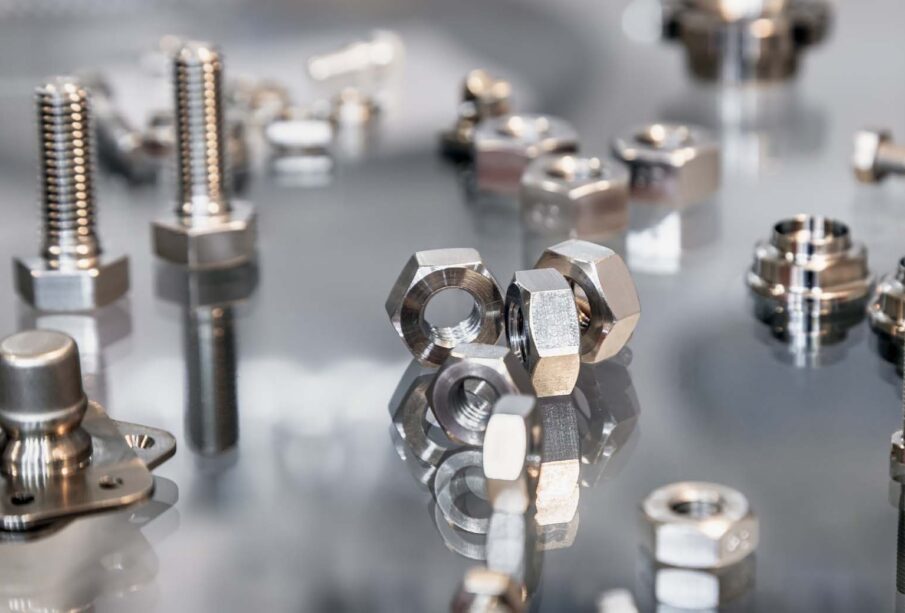
MIM manufacturing sits in a factory somewhere, humming through the night shift, turning fine metal powder into components so small you could lose them in your palm, yet so precise they fit together with tolerances measured in microns. The operators who tend these machines know something most people never think about: that the smartphone in your pocket, the medical implant in your knee, the mechanism in your car’s transmission, they all might have started as powder mixed with polymer, shaped under pressure, then fired in a furnace until only metal remained. This is the quiet revolution of Metal Injection Moulding, a process that has transformed how we make complex metal parts without the noise and drama that typically accompanies industrial change.
The Factory Floor Reality
Walk into a MIM facility and the first thing you notice is how it splits the difference between a plastics shop and a metalworking operation. The injection moulding machines look familiar enough, descendants of the equipment that makes everything from bottle caps to dashboard components. But look closer at what comes out and you will see the difference. These are not plastic parts. They are metal waiting to become itself, brown parts that feel substantial but brittle, holding their shape through a temporary alliance of metal particles and polymer binders.
The technicians who run these lines understand nuance. They know that temperature variations of a few degrees can mean the difference between good parts and scrap. They watch the flow of feedstock, adjust pressures, monitor cycle times. Some have worked in plastics. Others came from traditional metalworking. MIM manufacturing demands both sets of knowledge, a hybrid expertise that reflects the hybrid nature of the process itself.
Singapore’s Industrial Landscape
In Singapore, where land costs enough to make a factory manager’s hands shake, MIM manufacturing makes particular sense. The process delivers high value in compact facilities. You do not need the sprawling machine shops of conventional metalworking. The equipment footprint stays manageable even as production volumes climb. Singapore’s MIM manufacturing sector has carved out a niche in high-precision components for medical devices and electronics, industries where the island nation has built considerable expertise.
The workers in these facilities, many of them immigrants who came seeking better wages than their home countries offered, have learned skills that translate across borders. A mould technician trained in Singapore can find work anywhere MIM parts are made. The knowledge has currency in the global manufacturing economy.
Breaking Down the Process
The sequence unfolds in stages, each one critical:
- Metal powders, typically stainless steel or specialised alloys, get mixed with thermoplastic and wax binders in heated mixers
- The resulting feedstock flows into injection moulding machines where it fills precision moulds under high pressure
- Green parts emerge, fully formed but still containing all that polymer binder
- Debinding removes most binders, leaving brown parts that must be handled with care
- Sintering in controlled atmosphere furnaces fuses the metal particles while the parts shrink predictably
- Final operations add threads, grind surfaces, or apply coatings as needed
Each stage employs different workers with different skills. The mixer operators understand chemistry. The mould technicians read blueprints and adjust parameters. The furnace operators know atmosphere control and temperature profiles. The final finishers work with precision measuring tools, checking dimensions against specifications that allow deviations smaller than a human hair.
What Makes It Work at Scale
The economics become compelling when volumes justify the initial investment. Tooling for MIM manufacturing can run twenty or thirty thousand pounds for complex parts. That cost must be spread across production runs. But once the tools are made and the process parameters are locked in, the per-unit costs drop dramatically. Parts that would take minutes to machine can be moulded in seconds. Material waste stays minimal. Labour costs per piece become negligible at high volumes.
This is why MIM manufacturing dominates certain niches. Orthodontic brackets by the millions. Firearm components requiring both complexity and strength. Electronic device housings with intricate internal features. Automotive sensors with passages too small to drill economically. The list grows as engineers discover what becomes possible when you can mould metal almost like plastic.
The Human Cost of Precision
But there is another side to this efficiency. The skills required are specific and not easily transferred. A traditional machinist might struggle in a MIM facility. The knowledge is different. The equipment is different. When facilities close or relocate, workers face uncertain prospects. The global nature of manufacturing means production can shift to wherever labour costs less or incentives run higher.
The operators you meet in these facilities carry that knowledge. They have seen contracts won and lost. They understand that their employment depends on their facility remaining competitive against operations in other countries. Some have worked night shifts for years, tending machines while most people sleep, checking brown parts for defects, loading sintering furnaces, meeting production quotas that seem to rise each year.
Looking Down the Line
The technology keeps advancing because it must. New binder systems promise faster cycles. Better simulation software reduces development time. Expanded material options open new applications. The pressure never stops to make parts faster, cheaper, more precisely.
Yet the fundamental appeal remains unchanged. MIM manufacturing allows the production of complex metal components at scales and costs that traditional methods cannot match, creating opportunities for products that otherwise could not exist while providing employment for workers who have learned to bridge the worlds of plastics processing and precision metalworking.